Why Sandbox Games Are Redefining the Future of Simulation Games
Introduction to Simulation Games
Simulation games have evolved tremendously over the years. From rudimentary graphics and limited gameplay mechanics to lush, immersive environments that mimic real-life situations, the industry has come a long way. At the heart of this evolution is the emergence of sandbox games, which are redefining how players experience simulations.
The Sandbox Game Phenomenon
So, what exactly are sandbox games? These are video games that allow players a high degree of creativity, often providing them with vast, open worlds to explore and manipulate. Unlike linear gameplay where players follow a set path, sandbox games encourage experimentation and freedom.
Key Features of Sandbox Games
- Open World Exploration
- Player-Driven Content
- Customization Options
- Dynamic Environments
Impact on Simulation Games
The introduction of sandbox elements into simulation games has created a paradigm shift. Players now seek experiences where they can determine their own fate, build their own worlds, and set their own objectives. This has carved out a niche that traditional simulation games struggle to compete with.
Case Study: Clash of Clans
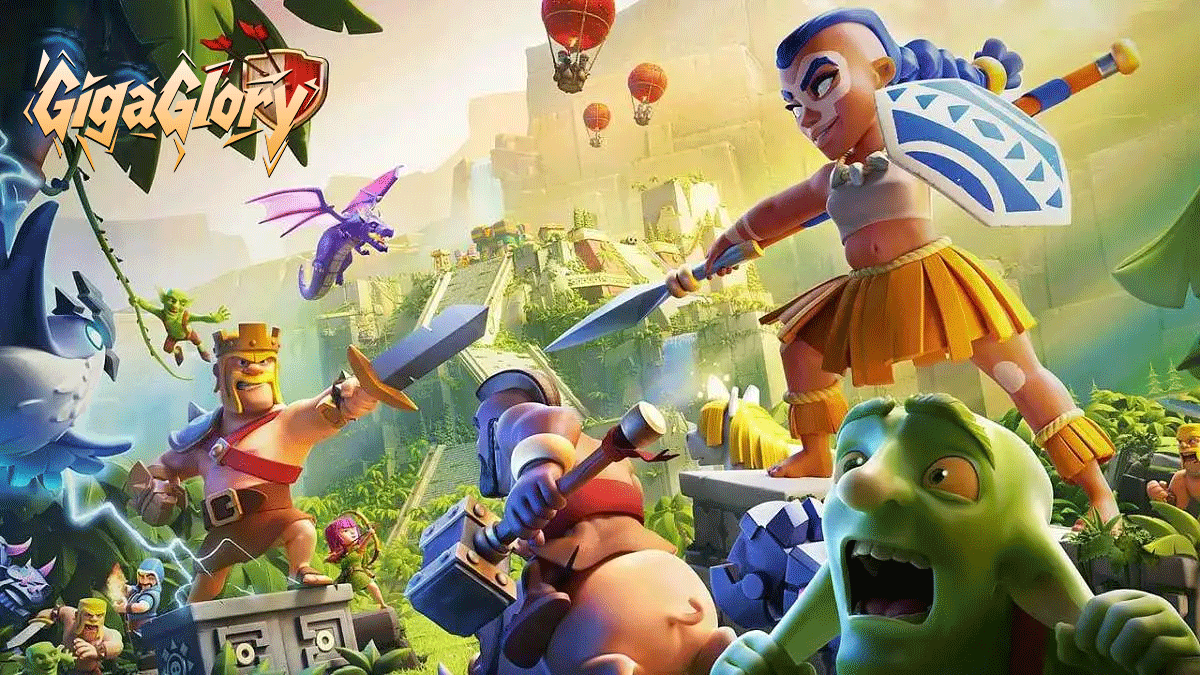
Clash of Clans stands out as an exemplary title that merges the intricacies of strategy simulation with sandbox gameplay. Players construct and manage their villages while engaging in battles with others. The flexibility it offers has transformed how players interact with the game, and it serves as a notable case study in the evolution of simulation.
User Feedback and Community Building
The player community plays a significant role in the success of sandbox games. Forums and social media platforms have enabled players to share ideas, strategies, and custom creations. This aspect fosters a vibrant ecosystem where players feel valued and heard.
Embracing Technology: Graphics and AI in Sandbox Games
With advancements in graphics and artificial intelligence, sandbox games are becoming increasingly realistic. Developers are investing in technology that creates more immersive environments, further enhancing the simulation aspect.
Limitations of Traditional Simulation Games
Traditional simulation games often limit players to specific goals and paths. This can lead to a lack of engagement over time. As sandbox games become more popular, many players find the restrictions of traditional simulations frustrating.
The Future of Simulation Games
With sandbox games trending upward, the future of simulation games looks promising. Developers must adapt by incorporating sandbox elements into their titles to remain competitive. This includes offering open-ended gameplay, community feedback, and endless customization options.
Market Trends and Consumer Preferences
Statistics indicate a shift in consumer preferences, with a growing appetite for sandbox experiences. Gamers are no longer content with pre-defined roles; they want to be creators. Here's a table showcasing recent trends:
| Year | Sandbox Games Revenue | Simulation Games Revenue |
|---|---|---|
| 2021 | $5 billion | $3 billion |
| 2022 | $7 billion | $4.5 billion |
| 2023 | $10 billion | $5 billion |
How Sandbox Mechanics Enhance Game Engagement
Engagement in sandbox games often far exceeds that of traditional simulations. When players have control over their environment, they are more likely to invest time and effort. It creates an emotional bond, as they often feel a sense of ownership over their virtual worlds.
Education and Learning in Sandbox Simulations
Sandbox games aren’t just for entertainment; they also offer educational benefits. Players can learn about resource management, strategic thinking, and even cooperation through multiplayer sandbox experiences. The flexibility of these games allows for deeper learning and exploration.
Challenges for Developers
Despite their popularity, sandbox games come with their challenges. Balancing open-world elements with structured gameplay is essential. Developers need to ensure that the freedom given to players does not lead them into a void of unproductivity.
Real-Life Applications of Sandbox Simulations
Beyond entertainment, sandbox simulations are finding their place in fields like architecture, urban planning, and environmental studies. They allow professionals to experiment with designs and strategies without the risk of real-world failures.
Conclusion
Sandbox games are more than just a trend; they represent a significant shift in how players interact with simulation games. By offering open-ended experiences, creativity, and engagement, they are redefining the future of simulation. As players continue to seek more personalized and impactful experiences, the integration of sandbox elements will undoubtedly play an essential role in shaping the industry's landscape.